
Why Basements Can Be Painted Successfully
Many people assume basements cannot be painted because they’re below ground level, but that’s far from the truth. Most basement walls, ceilings, and floors can be painted successfully when they are properly prepared. Professional painters understand how different basement materials respond to paint and choose products designed specifically for those surfaces.
Concrete walls, drywall, wood framing, exposed ceilings, and trim each require different preparation techniques. Before painting begins, professionals inspect the basement for moisture damage, mold, peeling paint, and cracks. Any underlying issues should be repaired before paint is applied to prevent future failures.
A finished basement is usually easier to paint because the surfaces resemble the rest of the home. Unfinished basements with concrete walls may require specialized masonry primers and paints that bond well to porous surfaces. Proper preparation makes a significant difference in how well the finished project performs.
With the right products and professional workmanship, painted basements become brighter, cleaner, and more inviting. A fresh coat of paint also helps protect surfaces from everyday wear while making the space feel more connected to the rest of the home.
Common Basement Surfaces That Can Be Painted
Basements contain several different materials, and each requires its own painting approach. Drywall is one of the easiest surfaces to paint, following the same preparation methods used throughout the home. After patching holes, sanding imperfections, and priming, quality interior paint provides an attractive finish.
Concrete walls require more preparation because they absorb moisture and contain tiny pores. Professional painters clean the surface thoroughly and apply masonry primers before using paints designed specifically for concrete.
Wood trim, support beams, shelving, and doors can also be painted. Proper sanding and priming help ensure smooth, even coverage while improving durability. Metal pipes, exposed ductwork, and support columns may also receive specialty coatings when homeowners want a cleaner, more finished appearance.
Ceilings vary widely in basements. Some are finished drywall ceilings, while others have exposed joists and mechanical systems. Many homeowners choose to paint exposed ceilings a dark color for a modern industrial appearance or white to brighten the room.
Each surface requires careful product selection to ensure long-lasting adhesion and an attractive final appearance.

Moisture Is the Biggest Concern Before Painting
Before any basement painting project begins, moisture must be evaluated carefully. Excess moisture can cause paint to blister, peel, bubble, or develop mold underneath the surface. Painting over an existing moisture problem simply hides it temporarily without solving the underlying issue.
Professional painters inspect walls for water stains, efflorescence, damp spots, and visible cracks. They may recommend repairing foundation leaks, improving drainage, sealing concrete walls, or installing a dehumidifier before painting begins.
Humidity levels also affect paint curing. Excessively damp conditions slow drying times and may reduce adhesion. Maintaining proper ventilation and humidity helps achieve better results throughout the project.
Many homeowners are surprised that a basement can be painted successfully once moisture issues are controlled. Investing in repairs before painting protects the new finish while reducing future maintenance costs.
Addressing these concerns first allows the paint to perform as intended while creating a healthier indoor environment.
Choosing the Right Paint for Basement Walls
Not every paint is suitable for basement conditions. Professional painters carefully select products based on the surface material, moisture levels, and intended use of the room.
High-quality acrylic latex paints are commonly used on finished drywall because they provide durability, easy cleaning, and low odor. Concrete walls often require specialized masonry coatings that penetrate porous surfaces while resisting moisture.
If the basement has occasional humidity, mildew-resistant paints offer additional protection. Low-VOC paints are also popular because they reduce odors and improve indoor air quality during and after the project.
Color selection plays an important role as well. Basements often receive limited natural light, making lighter shades an excellent choice for creating an open, welcoming atmosphere. Soft whites, warm grays, light beige, and subtle earth tones can make smaller spaces appear much larger.
Working with a painter Wilmington homeowners trust helps ensure the proper combination of primers and finish coats is selected for maximum durability.
Preparing the Basement Before Painting
Preparation is one of the most important stages of any successful painting project. Skipping preparation often results in poor adhesion and shortened paint life.
Professional painters begin by removing dust, dirt, grease, and cobwebs from every surface. Cracks are filled, nail holes repaired, loose paint scraped away, and rough areas sanded smooth. Concrete surfaces may require pressure washing or specialized cleaning products before priming.
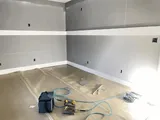
Furniture and personal belongings are either removed or carefully protected with plastic sheeting and drop cloths. Floors, windows, electrical outlets, and fixtures are also covered to prevent accidental paint splatter.
Primers are selected based on the existing surface conditions. Stain-blocking primers help cover water stains, while bonding primers improve adhesion to difficult surfaces like concrete or previously painted masonry.
Proper preparation often takes nearly as much time as painting itself, but it significantly improves the appearance and longevity of the finished project.
Benefits of Painting Your Basement
Painting a basement provides far more than cosmetic improvements. Fresh paint instantly brightens dark spaces, making them feel cleaner, larger, and more welcoming. This transformation often encourages homeowners to use the basement more frequently.
Paint also helps protect walls from normal wear and minor surface damage. When combined with proper moisture management, quality coatings create easier-to-clean surfaces that remain attractive for years.
Many homeowners convert basements into family rooms, game rooms, offices, fitness spaces, rental units, or guest bedrooms. Fresh paint helps define these spaces while creating a comfortable environment for daily living.
A well-maintained basement can also improve overall property appeal. Buyers appreciate finished lower levels that appear clean, updated, and move-in ready.
Hiring a painter Wilmington professionals recommend ensures every detail is completed properly while maximizing the long-term value of the investment.
Should You Paint Your Basement Yourself or Hire a Professional?
DIY basement painting is possible, but many homeowners underestimate the amount of preparation involved. Cleaning concrete, repairing cracks, selecting proper primers, and identifying moisture issues require experience and specialized knowledge.
Professional painters bring commercial-grade equipment, premium products, and years of experience working in unique basement environments. They know how to achieve consistent coverage while avoiding common mistakes that lead to peeling or uneven finishes.
Hiring professionals also saves valuable time. A project that may take a homeowner several weekends can often be completed efficiently by an experienced painting crew.
Professionals can also identify structural or moisture concerns before painting begins, preventing costly repairs later. Their expertise helps ensure the finished basement remains attractive and durable for many years.
Maintaining a Newly Painted Basement
Once the painting project is complete, simple maintenance helps preserve the finish for years. Maintaining consistent humidity levels remains one of the most important factors in preventing peeling or mildew growth.
Clean painted surfaces periodically using a soft cloth or mild cleaning solution to remove dust and dirt. Avoid harsh chemicals that could damage the finish.
Inspect the basement occasionally for new water stains, foundation cracks, or plumbing leaks. Addressing these issues early prevents damage to freshly painted walls.
Touch up minor scuffs promptly before they become more noticeable. Proper ventilation, especially in finished basements, also helps maintain healthy indoor air quality while protecting painted surfaces.
Conclusion
The answer is simple—yes, painters can absolutely paint basements, and when the project is completed correctly, the results can dramatically improve both the appearance and functionality of your home. From evaluating moisture conditions and preparing surfaces to selecting the right primers and paints, every step contributes to a long-lasting finish that withstands the unique environment of a basement.
If you’re considering updating your basement, Alvarez Painting LLC proudly serves homeowners throughout Wilmington, DE with professional painting solutions tailored to every space. Whether you have a finished basement, unfinished concrete walls, or a complete renovation project, their experienced team is ready to help. To schedule a consultation or request an estimate, call (302) 588-2475 and discover how a professionally painted basement can enhance your home’s beauty, comfort, and value
https://reneebowman15.podbean.com/e/can-painters-paint-basements/
https://www.podomatic.com/podcasts/cindyoliver198032168/episodes/2026-08-21T06_11_51-07_00
https://stream.redcircle.com/episodes/257fe972-5955-432c-ae39-18d5db5884a6/stream.mp3