
Choosing paint colors can be challenging because shades often look different depending on lighting, room size, and surrounding décor. A color that looks appealing on a sample card may appear warmer, cooler, or darker once applied to a wall. Working with a painter Wilmington homeowners can consult may help simplify the selection process and create a more coordinated appearance throughout a property. Professional painting experience can provide useful guidance on color combinations, finishes, and how different shades work with existing features. Whether you are refreshing a single room or updating your entire home, understanding the factors behind paint color selection can help you make informed decisions. With guidance from a painting professional, you can evaluate your options and select colors that complement your space, suit your preferences, and support your home’s overall design.
How Can a Painter Help Choose Paint Colors?
A painting professional can offer practical insight into how colors may appear on different surfaces and under various lighting conditions. They can discuss your preferences, review the room’s existing features, and help identify shades that work well with flooring, furniture, and trim.
A painter Wilmington homeowners consult may also explain how color choices affect the overall atmosphere of a room. For example, lighter shades can create a more open visual impression, while deeper colors may add contrast or make a space feel more intimate. The final decision depends on your goals and the characteristics of the room.
Why Does Natural Lighting Matter?
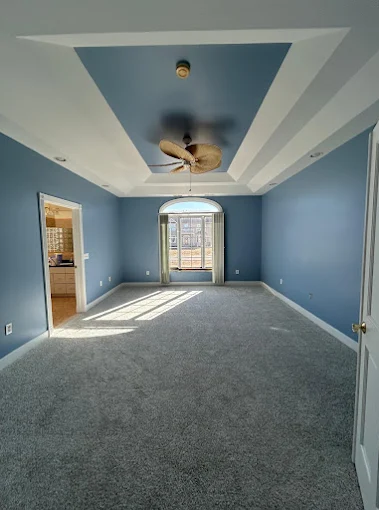
Natural light can significantly influence how paint colors appear throughout the day. A room receiving direct sunlight may make certain shades look brighter, while a room with limited daylight may make the same color appear darker or less vibrant.
Before selecting a paint color, consider the direction and size of your windows, along with the amount of sunlight the room receives. Testing samples on the walls can help you observe color changes in morning, afternoon, and evening light. This approach provides a clearer understanding of how a shade will look under everyday conditions.
How Do Existing Furniture and Décor Affect Color Selection?
Furniture, flooring, curtains, countertops, and decorative accessories all contribute to a room’s color scheme. Choosing paint without considering these elements may result in colors that compete with existing features rather than complement them.
A painting professional can help you evaluate undertones and identify shades that coordinate with your current furnishings. For example, warm wood flooring may pair well with certain cream or beige shades, while cooler finishes may work with selected gray or blue tones. Reviewing the room as a whole helps create a more cohesive appearance without requiring you to replace existing décor.
What Paint Colors Work Best in Small Rooms?
Color selection can influence how spacious a small room appears. Light neutrals, soft whites, and pale colors may reflect more light and create an airy impression, although the result depends on the room’s lighting and layout.

Darker shades can also work in smaller spaces when used intentionally to create contrast or emphasize architectural details. Instead of following a strict rule about avoiding dark paint, consider the room’s purpose, ceiling height, and available natural light. Sampling different colors can help you determine which option best suits your preferred design.
How Should You Choose Colors for Different Rooms?
Different rooms serve different purposes, so their paint colors should reflect how people use those spaces. Bedrooms may benefit from calming shades, while kitchens and living rooms can accommodate a range of neutral, warm, or contrasting colors depending on the desired atmosphere.
A painter Wilmington residents work with can help compare options for individual rooms while considering how those colors connect across the home. Using complementary shades throughout hallways and adjoining rooms can create visual continuity. You can still give each room its own character without making the overall interior feel disconnected.
What Is the Difference Between Paint Colors and Finishes?
Paint color refers to the shade you see, while paint finish describes the surface appearance, such as matte, eggshell, satin, or semi-gloss. These finishes differ in sheen, appearance, and practical maintenance considerations.
For example, some homeowners prefer lower-sheen finishes for living areas, while more washable finishes may be useful in spaces that experience frequent contact or moisture. The right choice depends on the surface, room conditions, and product specifications. Discussing both color and finish before painting helps ensure that the final result meets your visual and practical needs.
Should You Test Paint Samples Before Making a Decision?
Testing paint samples is a useful way to avoid relying entirely on printed color charts or digital images. Colors displayed on screens may differ from actual paint, and surrounding wall colors can influence how a sample appears.
Apply sample colors to a small section of the wall or an appropriate sample board. Observe each option under different lighting conditions and alongside your furniture, flooring, and trim. Comparing a few carefully selected shades can help you narrow your choices and feel more confident before committing to a larger painting project.
Can Exterior Paint Colors Improve a Home’s Appearance?
Exterior paint colors influence how a property looks from the street and how well its different architectural features work together. Siding, trim, doors, roofing, brick, and stone should all be considered when developing an exterior color scheme.
A painter Wilmington homeowners consult can help evaluate possible combinations based on the property’s existing materials and design. It is also important to consider neighborhood guidelines, homeowners association requirements where applicable, and the manufacturer’s recommendations for exterior paint. Testing exterior samples in outdoor lighting can help you assess how colors appear in their actual surroundings.

How Can You Prepare for a Color Consultation?
Before meeting with a painting professional, gather inspiration photos and identify colors you already like or want to avoid. Consider how you use each room, whether you plan to keep existing furnishings, and whether your goal is a subtle refresh or a more noticeable change.
You can also establish a general budget and discuss the surfaces that need painting. Sharing these details helps the professional understand your priorities and provide more relevant guidance. Asking about sample testing, paint finishes, surface preparation, and product options can make the planning process more organized and help you understand the decisions involved.
Frequently Asked Questions
Can a painter help me choose the right paint color?
Yes, a painting professional can offer guidance on color combinations, lighting, and finishes. The final selection should reflect your preferences and the features of your space.
Should I choose paint colors before hiring a painter?
You can begin exploring colors beforehand, but you do not need to finalize every shade before speaking with a painting professional. A consultation may help you evaluate options and identify suitable products.
Do paint colors look different under artificial lighting?
Yes, artificial lighting can change how colors appear depending on the bulb’s color temperature and brightness. Test samples under the lighting you normally use in each room.
Are neutral paint colors suitable for every home?
Neutral colors are versatile, but their suitability depends on the home’s lighting, furnishings, and overall design. Testing different shades can help you find a neutral that complements your space.
Can exterior paint colors affect curb appeal?
Yes, exterior colors can influence how a home looks and how its architectural features stand out. Coordinating siding, trim, doors, and existing materials helps create a balanced appearance.
Conclusion
Choosing paint colors involves more than selecting an attractive shade from a color chart. Lighting, room size, existing furnishings, paint finishes, and architectural features all influence the final appearance. Testing samples and considering how colors connect across different spaces can help you make informed decisions before starting a painting project. A professional consultation may also provide useful guidance when comparing interior and exterior color combinations. Working with a painter Wilmington homeowners can consult allows you to discuss your preferences, evaluate practical considerations, and plan your project with greater confidence. Taking time to review these details can help you achieve a result that suits your property’s design and your personal style. Careful preparation also makes it easier to communicate your expectations and understand the work involved before painting begins.
Discuss Your Painting Project with Alvarez Painting LLC
If you are considering new paint colors for your home or property in Wilmington, Alvarez Painting LLC can be contacted to discuss your painting needs. Call (302) 588-2475 to ask about available services and whether guidance on paint color selection is part of the project.
Before beginning, consider which rooms or exterior surfaces you want to update, the colors you prefer, and any questions you have about finishes or preparation. Discussing these details with Alvarez Painting LLC can help you understand the available options and determine the next steps for your painting project.